Our Treatment


CALM: Safe & Sound Protocol (SSP)
We like to call this our "CALM" program. This 5-hour listening program is designed to gently stimulate the vagus nerve, helping to soothe the nervous system and restore balance. By using this passive listening approach, the program helps calm the nervous system and unlock the body’s natural ability to adapt and change.
This is the crucial first step in creating an open and receptive state in a child’s brain. Moving a child out of a fight-or-flight state is essential for fostering a sense of safety and building stronger connections with others.
Benefits include:
Reduced anxiety
Improved emotional regulation
Better sleep
Better focus
Improved language & understanding
INTEGRATE: Primitive Reflex & Hemispheric Integration
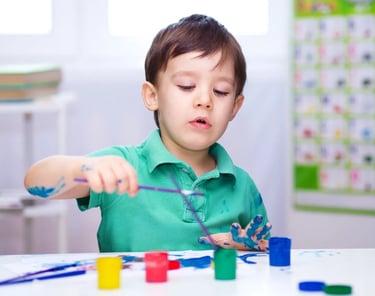
INTEGRATE is our signature program that strengthens the brain from the bottom up. It combines primitive reflex integration, core and postural stability exercises, and hemispheric sensory stimulation. Primitive reflexes form the foundation of the nervous system; when unintegrated, they trigger chronic stress and the fight-or-flight response. Our root-cause approach follows natural brain development, addressing gaps that can cause attention, learning, behavioral, and sensory challenges. By leveraging neuroplasticity, we rewire the brain, starting from the foundation and building upward, helping children achieve better brain-body connection and optimal development.
Improved gross & fine motor skills (biking, jumping,
handwriting, etc)
Better focus, attention; able to follow directions
Improved body awareness
Improved sensory (no need to crash into people/things
anymore)
Improved auditory & visual processing
easier learning, reading, comprehension & memory
Improved social skill
FOCUS: Integrated Listening System (ILS),Interactive Metronome (IM) & Autism MovementTherapy (AMT)
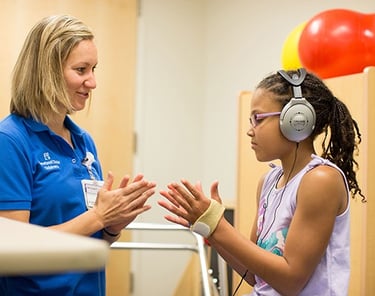
ILS is a program designed to enhance brain and body function. By combining movement, specially treated music, and bone conduction, ILS helps build a strong foundation for brain and body organization. Addressing brain function at this foundational level supports greater mental and emotional resilience, improves performance at school or work, and helps individuals navigate the demands of everyday life more effectively.
10-hours Claming Program
60-hours Sensory & Motor program
40-hours Concentration & Attention Program
40-hours Reading & Auditory Processing Program
Two24-hours Optimal Learning Prog
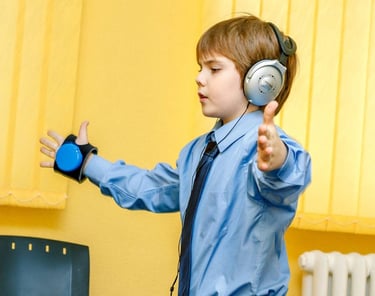
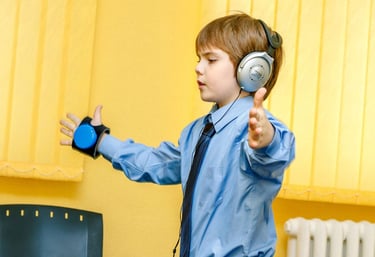
Interactive Metronome (IM)
Interactive Metronome (IM) is an evidence-based training tool that enhances cognition, attention, memory, focus, language, executive function, and motor and sensory skills. By targeting the cerebellum—the brain’s “little brain” responsible for balance, coordination, posture, memory, language, and social skills—IM strengthens brain connections for optimal learning. Daily 15-minute neuro-movement exercises, with optional cognitive challenges, improve neural timing, which is crucial for attention, processing speed, behavior, and social interaction. IM is effective for children with autism, ADHD, dyslexia, sensory processing issues, and coordination difficulties, providing a structured, flexible, and engaging way to boost brain function.
Improved attention and focus
Improved reading, organization, math
Improvements in motor coordination
Decreases in anxiety
Improved sensory processing
Improved athletic performance
Better control of emotions, impulsivity,
Improved social skills and language
Improvements in processing speed
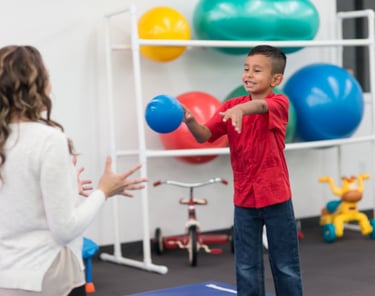
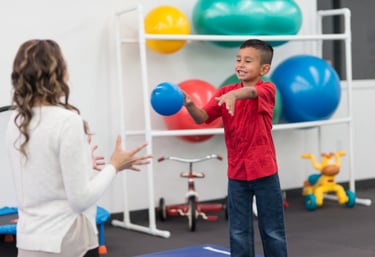
Autism Movement Therapy (AMT)
AMT offers an innovative, structured, and engaging approach that stimulates the brain, enhances sensory processing, and develops communication and motor skills. Designed to support children with autism, AMT integrates brain-body strategies in a fun and energetic way. Complementing other therapies, it helps children achieve their speech, social, and academic goals while fostering confidence and progress.
Movement and Dance: Enhances body awareness and motor
coordinationd
Music and Rhythm: Engages individuals and helps synchronize
movementd
Social Interaction: Encourages non-threatening social
engagementd
Communication: Supports development of non-verbal cues
and gesturesd
Self-Regulation: Helps manage sensory overload and
emotional regulation.
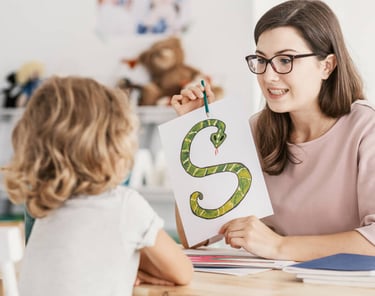
Speech & Language Therapy
Speech & Language Therapy helps children improve communication skills, including speech clarity, language comprehension, vocabulary, and social communication. Through individualized strategies and fun, interactive exercises, children gain confidence in expressing themselves, building strong foundational skills for learning, social interaction, and everyday communication.
Improves speech clarity and pronunciation.
Enhances language comprehension and vocabulary.
Strengthens social communication skills.
Builds confidence in expressing thoughts and needs.
Supports learning, interaction, and everyday communication.
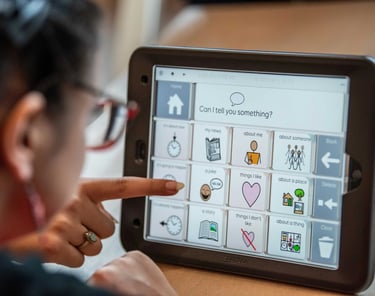
AAC: (Augmentative and Alternative Communication)
AAC (Augmentative and Alternative Communication) provides tools and strategies to help individuals who have difficulty speaking express themselves effectively. This includes picture boards, communication apps, speech-generating devices, and other adaptive methods tailored to the child’s needs. AAC supports language development, social interaction, learning, and independence, allowing children to communicate their thoughts, needs, and emotions confidently. By supplementing or replacing spoken language, AAC empowers children to participate fully in daily life, school, and social activities, fostering connections with peers, family, and educators while building essential communication and cognitive skills.
Provides tools for children with speech difficulties to communicate.
Includes picture boards, apps, and speech-generating devices.
Supports language development, learning, and social interaction.
Enhances independence and confidence in daily life.
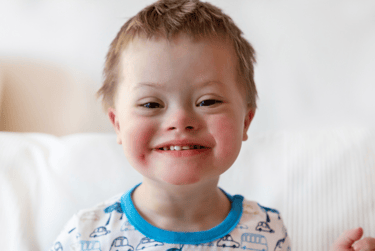
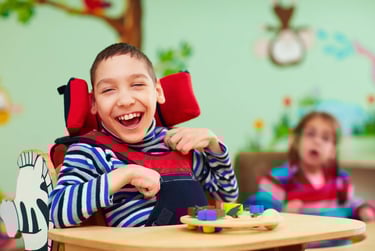
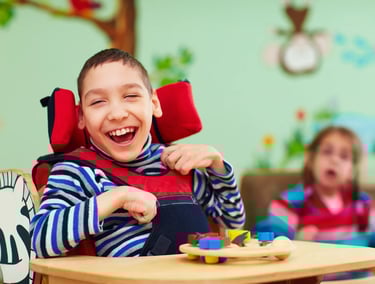
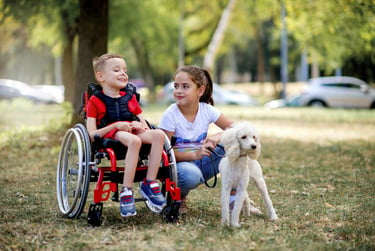
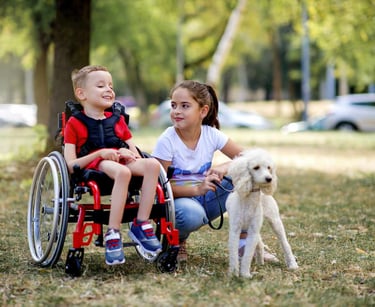
Down Syndrome
Cerebral Palsy
Muscular Dystrophy
Down Syndrome is a genetic condition affecting learning, physical growth, and development. With early therapy, structured support, and inclusive learning, children can build essential skills, improve independence, and achieve meaningful progress.
Cerebral Palsy is a neurological condition affecting movement, muscle control, and posture. Early therapy, guided exercises, and supportive care help children improve mobility, independence, strength, and overall functional development.
Muscular Dystrophy is a genetic condition causing progressive muscle weakness and reduced mobility. Early intervention, physiotherapy, and supportive care help improve strength, maintain function, and enhance a child’s overall quality of life.




Child handwriting
drawing classes
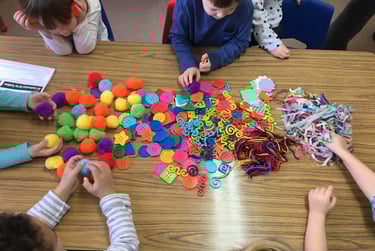
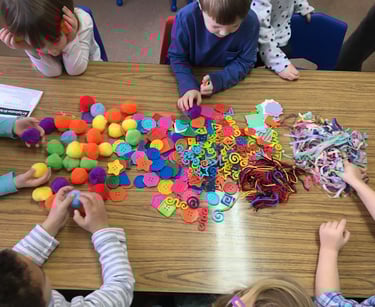
Kids arts & crafts
Child handwriting refers to the early writing style of children, often characterized by large, uneven letters, playful strokes, and developing motor skills as they learn to form letters and words.
Kids drawing classes are structured sessions where children learn to express creativity, improve fine motor skills, and develop artistic techniques through fun, guided activities like sketching, coloring, and painting.
Kids arts & crafts involve fun, hands-on activities where children create artwork using materials like paper, colors, clay, and fabrics, helping develop creativity, imagination, and fine motor skills.

For guidance, appointments, or support, feel free to contact our team anytime—we’re always here to help.
Address
h no 12, 2, Road No. 3, Mamatha Nagar Colony, Nagole, Hyderabad, Telangana 500068
Contact
01205244587
Timings
08:00 AM - 08:30 PM ( Mon To Sat)
Sunday Closed
This website is owned and managed by | Brain Body Connex Child Development Center